TPWallet (Official)

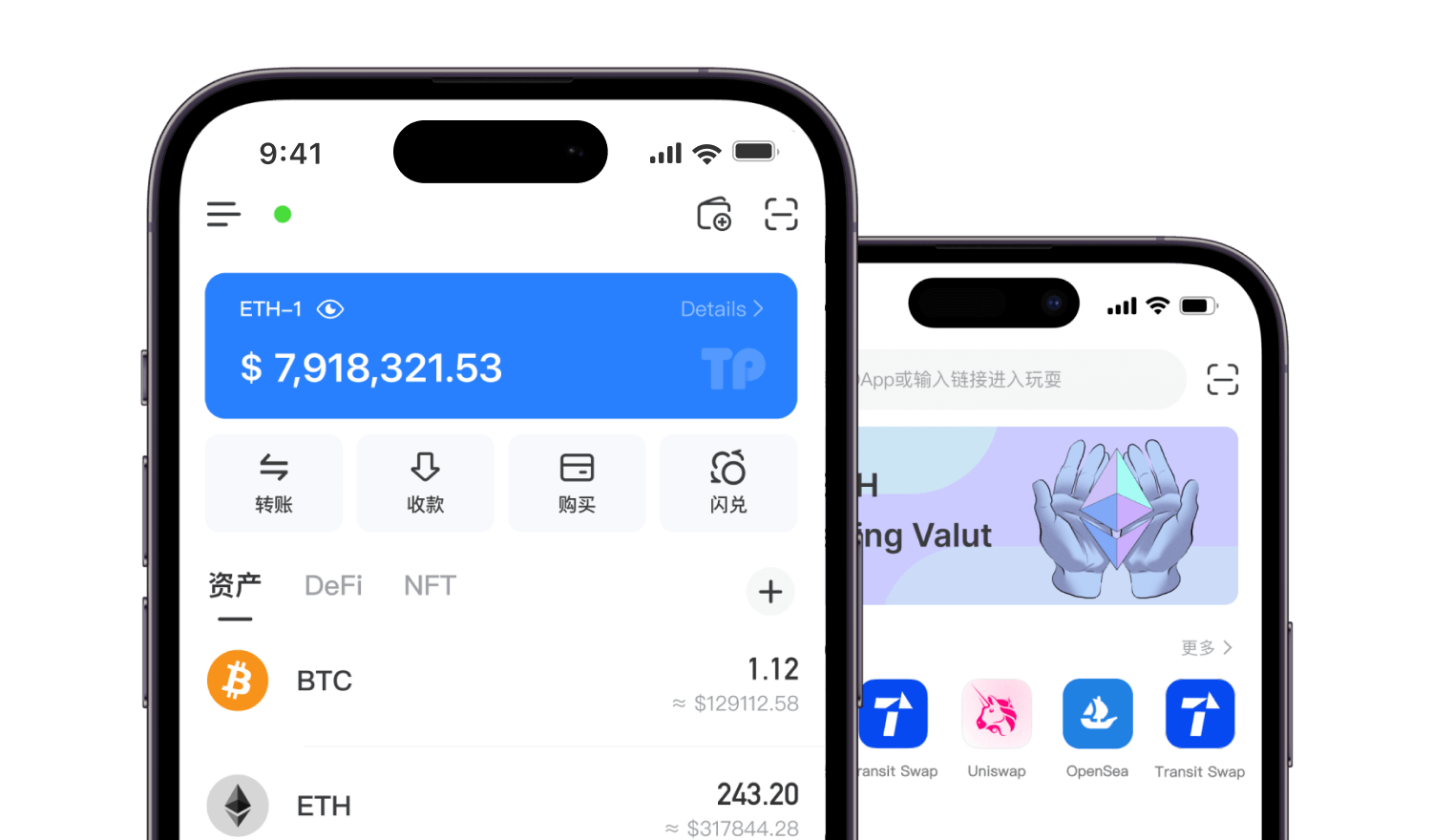
TPWallet is a community-focused, open-source wallet that puts crypto ownership in your hands. It works with millions of assets across 70+ major networks, including Bitcoin, Ethereum, BNB Chain, Solana, and Polygon. You can set up a wallet without registering, and your private keys are encrypted and stored locally, keeping your funds under your control.

Get TPWallet (2026 Release)

TPWallet can be installed on smartphones and tablets.
TPWallet (Wallet)

Getting to Know TPWallet

A straightforward, self-custodial gateway to on-chain assets

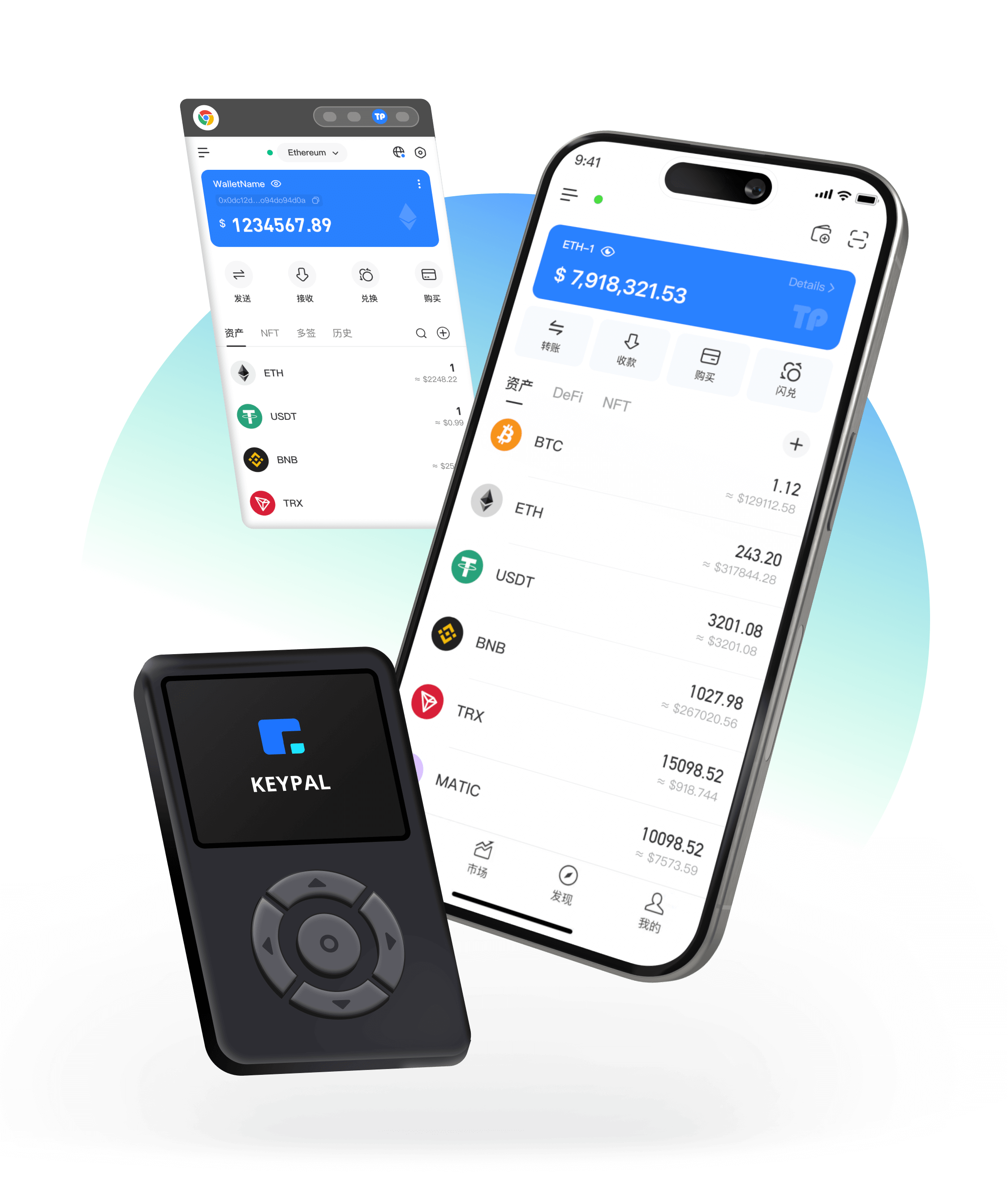
TPWallet is a cryptocurrency wallet designed with security and user ownership at its core. It helps people manage digital assets while keeping private keys in their own hands. There is no central server holding your funds, the source code is open and reviewed by the community, and the mobile-first experience for iOS and Android makes wallet creation and backup quick and simple.

The wallet works with many cryptocurrencies and decentralized applications (DApps), making it a flexible option for people who use crypto. It offers easy access to assets on multiple chains, DApp browsing, cross-chain swaps, and Web3 tools. New networks and features are introduced regularly to keep up with developments such as Layer 2, privacy-focused chains, and SocialFi.

Real self-custody with strong protection
A smooth and convenient mobile crypto experience
Broad multi-chain integration for simpler asset management

What Makes TPWallet a Good Choice?

A dependable wallet for digital assets

Manage Assets Across Multiple Chains
TPWallet lets you hold, send, and receive coins, NFTs, and tokenized assets. On-chain balances are detected automatically, which means you usually do not have to add token contracts by hand.
Integrated Cross-Chain Swaps and DEX Routing
Protocols such as 1inch and THORChain are built into TPWallet, allowing swaps between assets on different chains, for example BTC to ETH, while routes and slippage are optimized automatically.
NFT Storage and Viewing
NFT collections linked to your wallet address are synced automatically, and you can view them full screen, send them, or receive them.
Privacy and Security Without Central Control
In TPWallet, private keys and recovery phrases stay on your device only. They are never uploaded to a server.
Global Languages and Flexible Network Switching
The interface is available in more than 20 languages for users around the world. You can add and switch between networks such as Optimism, Avalanche, and Fantom whenever you need.
Around-the-Clock Customer Assistance
Support is available 24/7, so help is there whenever you need it.

What TPWallet Offers

Keep your crypto organized, protected, and easy to explore with TPWallet

Gas Fee Handling

TPWallet makes it easier to store and manage thousands of cryptocurrencies and tokens securely, with full control over your assets.

One-Tap Cross-Chain Bridge

By connecting leading cross-chain protocols such as THORChain, Multichain, and cBridge, TPWallet allows transfers between different chain assets, for example BTC to SOL or ETH to AVAX, without leaving the wallet. Fees and estimated arrival times are compared automatically.

Threat Detection and Alerts

TPWallet detects risky actions such as phishing contracts and unlimited token approvals, then shows warnings in real time.

Hardware Wallet Integration

You can link hardware wallets such as Ledger and Keystone through Bluetooth or USB directly in TPWallet. This creates a hybrid cold-storage and hot-interaction setup in which transactions need physical confirmation.

Social Recovery and Multisig Tools

TPWallet supports 3-of-5 social guardians. Users can choose trusted contacts as backups and regain access through multi-person verification if the recovery phrase is lost.

On-Chain Identity and Reputation

Support for SBTs (Soulbound Tokens) makes it possible to store on-chain identity credentials, such as Gitcoin Passport, for use in airdrop whitelists or credit-based lending.

Common Questions

Answers to frequently asked questions about TPWallet

Your private keys and recovery phrase remain on your device. TPWallet never uploads or backs them up to a server. You are responsible for backing up the 12- or 24-word recovery phrase yourself. Write it down on paper, keep it in a secure place, and never take a screenshot or share it with anyone.

Use a blockchain explorer such as Etherscan or BscScan and search for the transaction hash (TxID) to confirm its status. Common reasons include network congestion, too low a gas fee, a wrong destination address, or a token that needs to be bridged. Try again with a higher gas fee, and make sure the receiving address supports the token's network. For example, BEP-20 tokens need to be sent to a BSC address.

On the wallet home screen, tap the "+" icon in the upper-right corner, then choose "Add Custom Token." Paste the token contract address from the project's official site or a blockchain explorer. The name and symbol should fill in automatically. Be sure to pick the correct network; for instance, ERC-20 tokens must be added under Ethereum.

Open the "Browser" tab at the bottom of the wallet and switch to the matching blockchain network before you open the DApp. For example, select Polygon Mainnet for Polygon. If the DApp needs a network that TPWallet does not list by default, go to "Settings - Networks - Add Network" and enter the required RPC details manually.

Open "Settings - Wallet - Security - Token Approvals" to see the DApp contracts you have approved. Select a contract and choose "Revoke Permission." A small gas fee is required to complete the on-chain transaction. Clearing approvals you no longer use on a regular basis can help lower asset risk.

Go to the bridge's official website, such as THORChain, and enter the transaction ID to check its progress. Make sure the destination wallet address supports the asset format, because some chains require a specific memo tag. If needed, contact the bridge's official support team and provide the transaction hash.

Recovery is unlikely. Blockchain transactions cannot be reversed unless you control the private key of the destination address. A few options may help: if the wrong address is also yours on another chain, for example when ETH and BSC addresses match, try importing that address into the correct chain. You can also contact the receiving platform's support, such as an exchange, give them the TxID, and ask whether manual handling is possible. The outcome depends on their policy.

You will need your backed-up recovery phrase to import the wallet on another device. Download TPWallet on the new phone, select "Import Existing Wallet," enter the full 12- or 24-word recovery phrase in the correct order, and create a new password. Never create or store your recovery phrase with a third-party tool.

404 Not Found